CAD • Structural Engineering • Powertrain Calibration • Fabrication
Core Engineering Domains
This section documents applied mechanical engineering work in automotive systems, including CAD modeling, structural fabrication, powertrain optimization, and aerodynamic analysis.
My background combines vocational automotive engineering training, welding and fabrication experience, and EV diagnostic systems work at Tesla. These projects focus on performance optimization, structural reinforcement, and quantitative analysis of vehicle systems.

A. Mechanical CAD & Structural Modeling
Tools & Platforms
- AutoCAD
- SolidWorks
- Fusion 360
- Basic FEA simulation

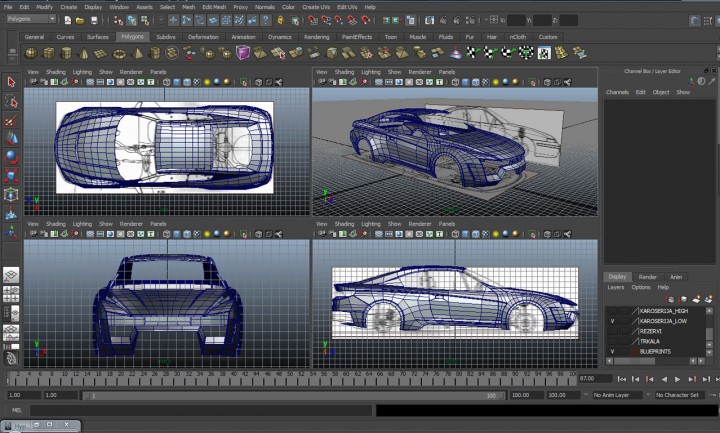
Mechanical CAD work focuses on suspension geometry, structural reinforcement layouts, and fabrication-aware component design. Example studies include suspension arm load paths, roll cage triangulation, and lightweight structural modifications.
B. Powertrain Calibration & Optimization
- Air-fuel ratio optimization theory
- Boost curve mapping
- Torque curve smoothing
- Thermal load considerations
- Fuel injector duty cycle calculations
- Estimated airflow increase
- Estimated intercooler efficiency gain
- Injector sizing calculation

Powertrain Calibration Example
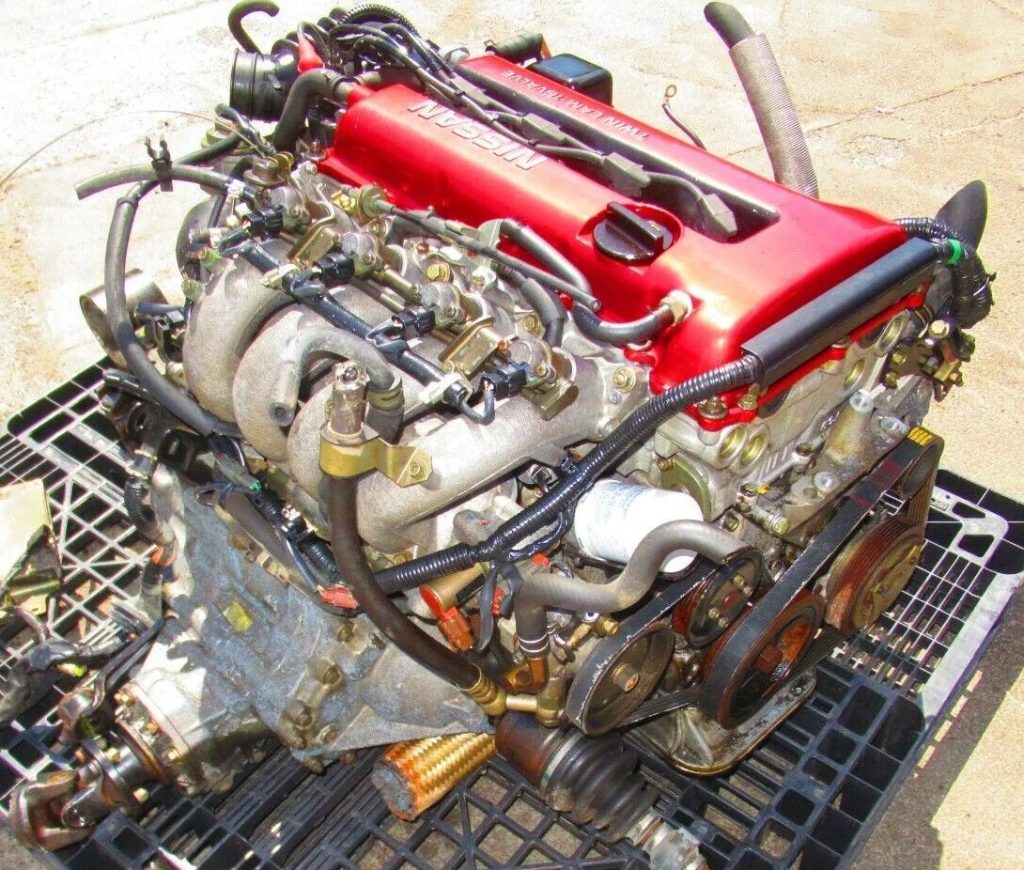
Engine: SR20DET (2.0L turbo)
Baseline crank power: 220 hp
Target output: 250 hp
Boost change: 0.70 → 1.00 bar
Estimated output: 251 hp
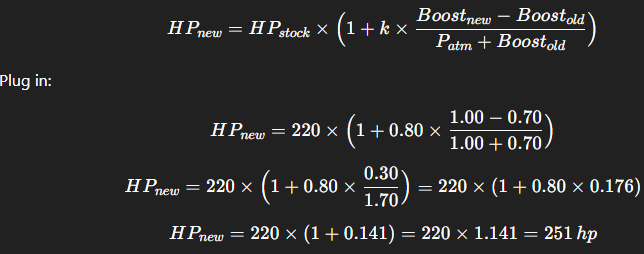
HPstock=220, Boost change: 0.70 → 1.00 bar, Conservative factor: k = 0.80
This simplified model assumes that turbocharged power increases with higher absolute manifold pressure, adjusted by an efficiency factor accounting for intercooler performance, turbo efficiency, ignition timing limits, and fuel quality.
C. Aerodynamic Optimization & CFD
- Baseline Cd value (~0.30–0.33 typical S14)
- Goal: Reduce by 5–10%
- Front splitter airflow separation control
- Rear diffuser pressure zone manipulation
- Underbody smoothing concept
Drag Reduction Example
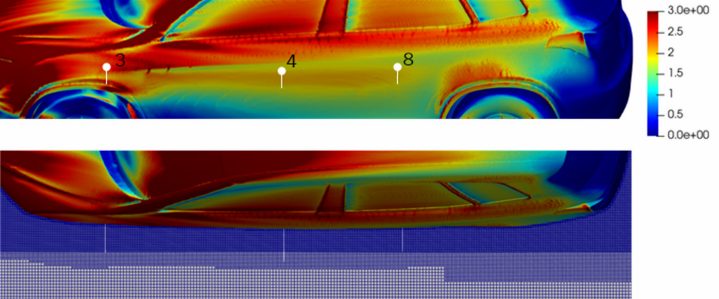
Baseline drag coefficient: Cd = 0.33
Target drag coefficient: Cd = 0.30
Using the drag equation
F = 0.5 × ρ × v² × Cd × A
and assuming an air density of 1.225 kg/m³, a speed of 120 km/h, and a frontal area of approximately 2.0 m², the estimated drag reduction is about 41 N.
D. Structural Fabrication & Welding Engineering
Fabrication & Material Engineering
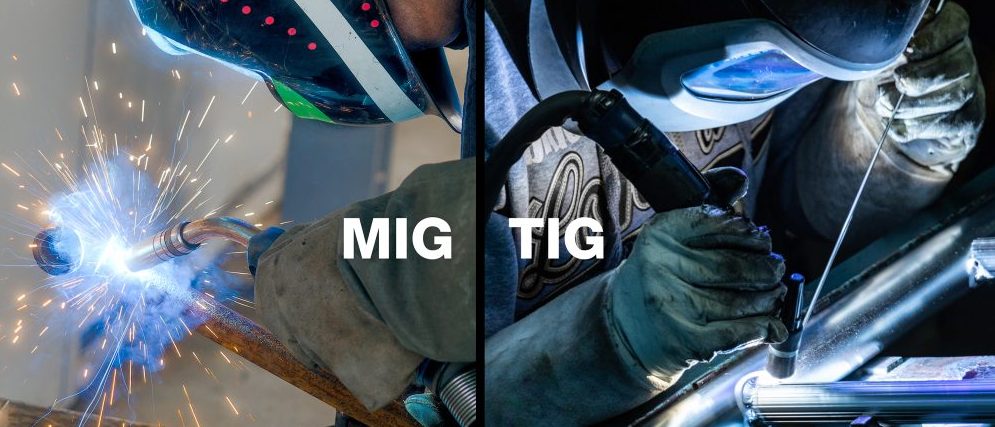
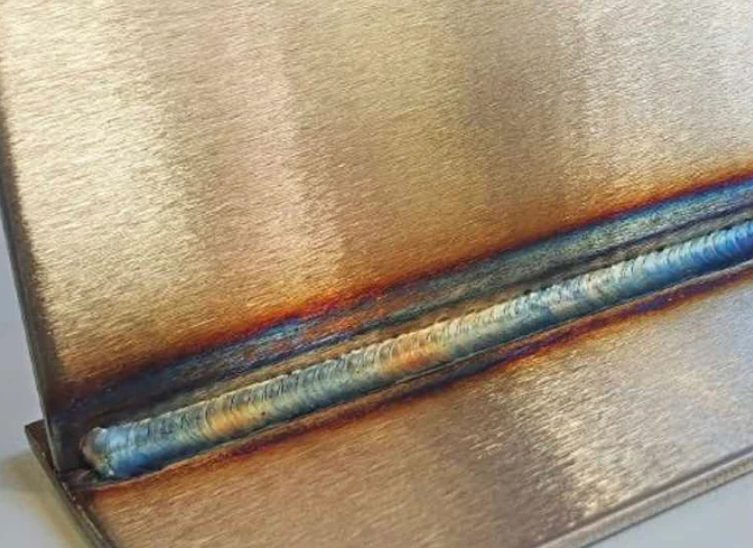
- MIG vs TIG structural trade-offs
- Heat-affected zone considerations (HAZ)
- Stress concentration at weld joints
- Fatigue life considerations
Engineering Focus Areas
- Structural stiffness focuses on improving torsional rigidity and distributing loads more effectively through reinforced structural paths.
- Load distribution = directing forces through triangulated structures
- Fabrication feasibility = ensuring designs can be welded and manufactured
- Weight optimization = reducing mass without compromising structural integrity
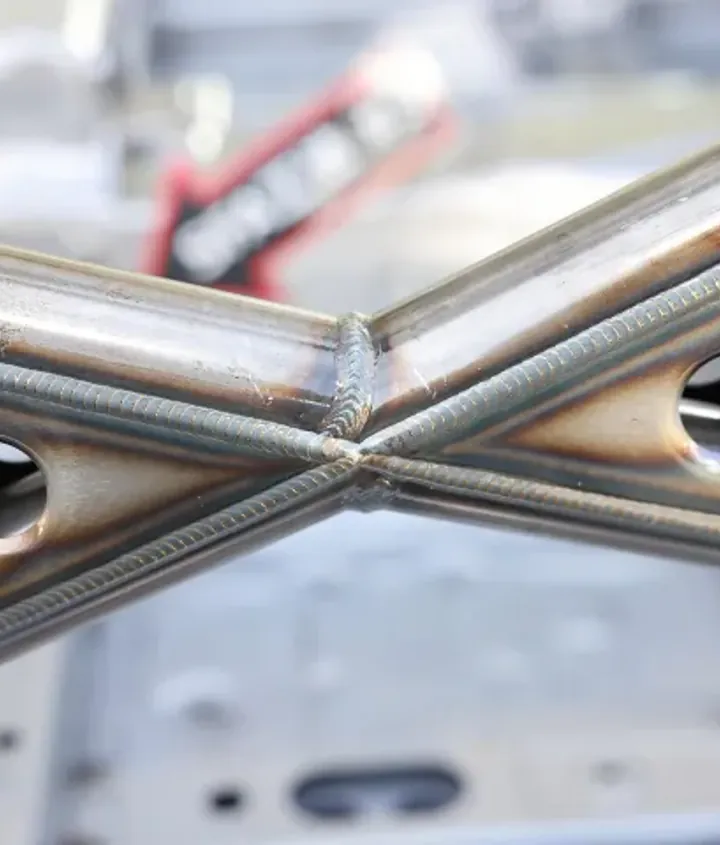
Tube: 38mm OD, 2.5-3 mm wall
Material: DOM mild steel
E. EV Systems & Diagnostic Relevance
- Battery Technology: In-depth understanding of lithium-ion, solid-state, and emerging battery technologies, including energy density, charging cycles, and thermal management.
- Electric Powertrains: Familiarity with electric motors, inverters, and drivetrains to assess feasibility and oversee development.
- Charging Infrastructure: Knowledge of charging standards (e.g., CHAdeMO, CCS, Tesla Superchargers) and their impact on vehicle design and range planning.
- Embedded Systems & Software Integration: Experience with EV control systems, autonomous vehicle software, and firmware updates.
Project Silvia, Applied Performance Engineering Platform
Overview
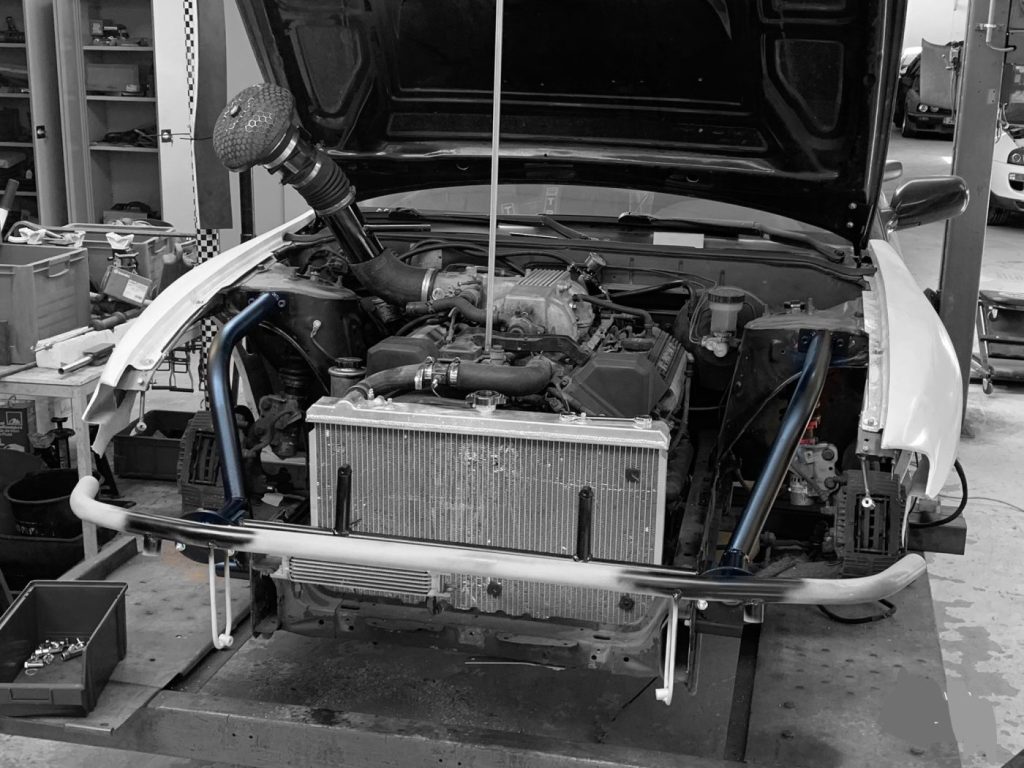
Project Silvia is my current venture into high-performance automotive design, focusing on the iconic Nissan Silvia S14, equipped with the 2.0L SR20DET DOHC Turbo engine. With this project, I aim to transform the Silvia from a stock model into a high-performance vehicle that showcases custom design, tuning, and engineering expertise. This project will serve as both a technical challenge and a creative opportunity, highlighting my skills in CAD, automotive tuning, and advanced modification.
Enhancements and Modifications
- Increase power-to-weight ratio by 20%
- Reduce total vehicle mass by 100 kg
- Improve aerodynamic stability at >120 km/h
- Increase torsional rigidity
- Optimize suspension geometry for cornering performance
Weight ratio
Stock curb weight: ~1,240 kg Target: ~1,140 kg
Remove: Rear seats, Sound insulation, Replace panels with lighter materials
Calculations: Power-to-weight baseline: 220 hp / 1240 kg = 0.177 hp/kg
Target: 250 hp / 1140 kg = 0.219 hp/kg. That is a 23% improvement.
Suspension Geometry Optimization
Add: Camber angle targets, Caster increase for high-speed stability, Lower center of gravity estimate, and spring rate comparison.
Structural Reinforcement
Roll cage triangulation design, Load transfer pathways, Crash energy distribution
ECU Calibration Strategy
AFR target under boost (~11.5–12.0), Ignition timing adjustment logic, Knock control safety margin, Thermal management strategy

Quantitative Engineering Appendix
Engineering Modeling & Calculations
The following engineering calculations and models are used to guide design decisions within the project:
- Drag force estimation
- Power-to-weight optimization
- Suspension spring rate calculations
- Boost-to-power modeling
- Thermal expansion considerations
Experience
Education
- SOŠ a SOU Horšovský Týn, 3-Years Practical Education for Auto Mechanic Practice
Work
- Technician at Tesla (Repairs, Detailing, Safety, EV, Maintenance)
- Automotive Mechanic at Autoservis Petr Dufek s.r.o. (Maintenance, Restorations, Full range of repairs on versatile sort of brands of vehicles for personal transport to heavy machinery. Primarily Skoda, Volkswagen, Peugeot, Renault, and Citroen)
- Welder at proHeq GmbH (Welding with both MIG and TIG type, primarily Stainless steel & steel)